Free Website Audit: Discover what's holding your digital presence back
How should a Bosnia business compare web agencies?
Write one brief and send the same brief to everyone. Then compare four things: the questions the agency asks back, the process it describes, the work it can show you, and the exclusions it states in writing. A comparison of three quotes written against three different assumptions tells you nothing useful.
This guide is a method, not a ranking. It names no competitor and scores none. It gives you the questions that make any agency, including Konzept, easier to read. For what Konzept actually delivers, start at web development.
What should the brief contain?
A quote is only as good as the brief behind it. Put these in one document before you contact anyone:
- The business goal, and how you will know it was met.
- The audience, and what they need to do on the site.
- The current website or product, with its URL.
- The pages, templates or features you expect.
- Content status: who writes it, who approves it, what exists already.
- Integrations: payments, CRM, ERP, booking, email, analytics.
- Languages, and who reviews each one.
- The target date, and what makes it fixed.
- The person who can approve scope and budget.
You do not need wireframes or a technical specification. You do need a decision-maker. A brief without one slows every agency equally, and then the delay looks like the agency’s fault.
Which questions separate the agencies?
Ask the same seven questions in every conversation. Write the answers down. The pattern in the answers is the comparison.
| Question | What a weak answer sounds like | What a strong answer contains |
|---|---|---|
| Who does the work? | ”Our team” | Named roles, who leads design, who writes the code |
| What is the process? | ”Agile” | Stages, deliverables, review points, who signs each one |
| What do we supply? | ”Just content” | A dated list of copy, images, data, access and approvals |
| What is excluded? | Nothing stated | A written exclusions list in the quote |
| What if the estimate is wrong? | ”We’ll sort it out” | A change process with estimation and approval |
| Who owns it after launch? | ”You do” | Code, design files, IP, accounts and repository, in the contract |
| What happens after launch? | ”We’re here” | A support scope, a period and a response time |
An agency that answers all seven in writing is not necessarily the cheapest. It is the one whose price you can read.
How do you check the portfolio is real?
Open the projects, not the screenshots. Ask which parts the agency built, which parts it inherited, and who maintains the site now. Then ask for one project that resembles your constraints rather than your industry.
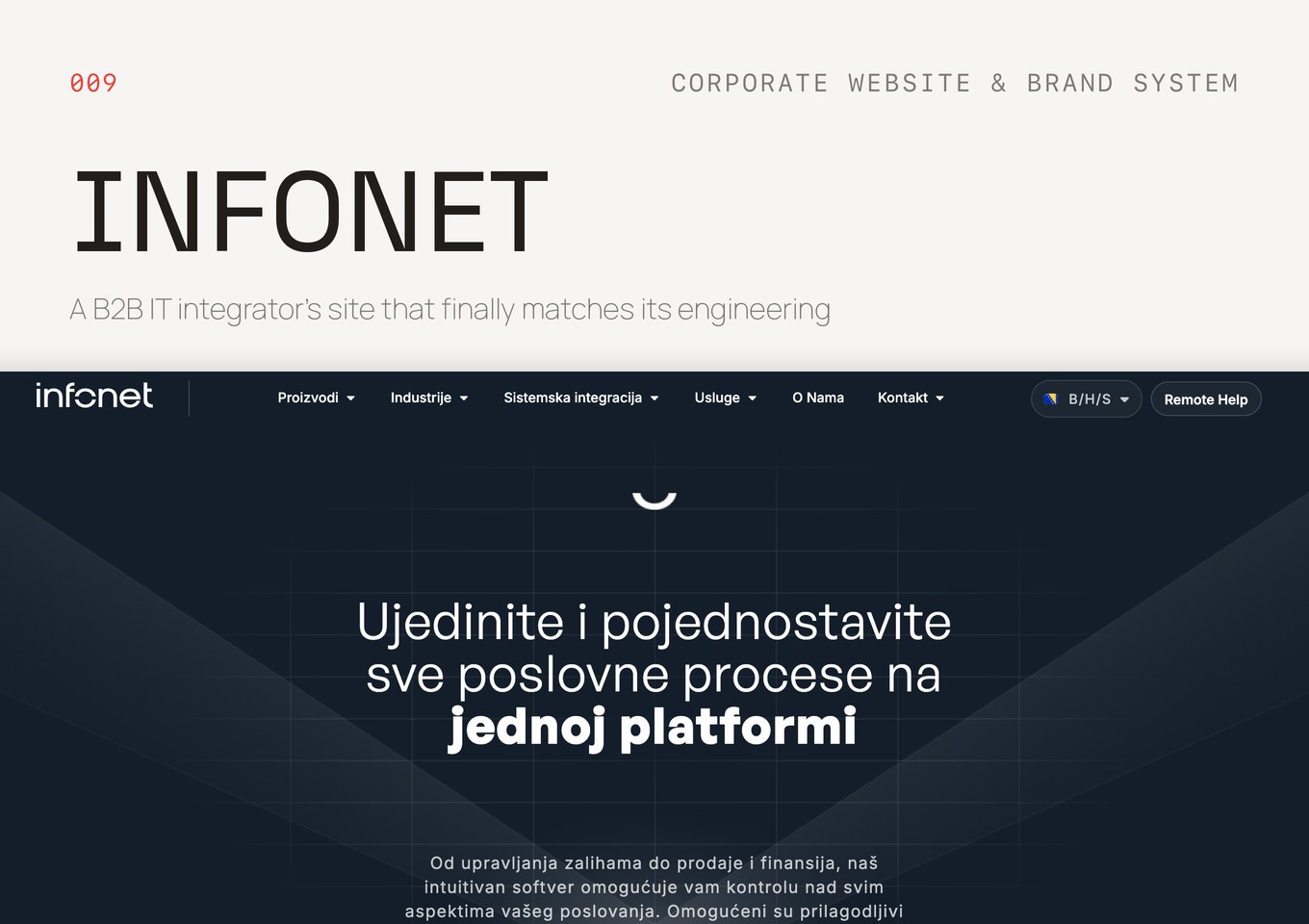
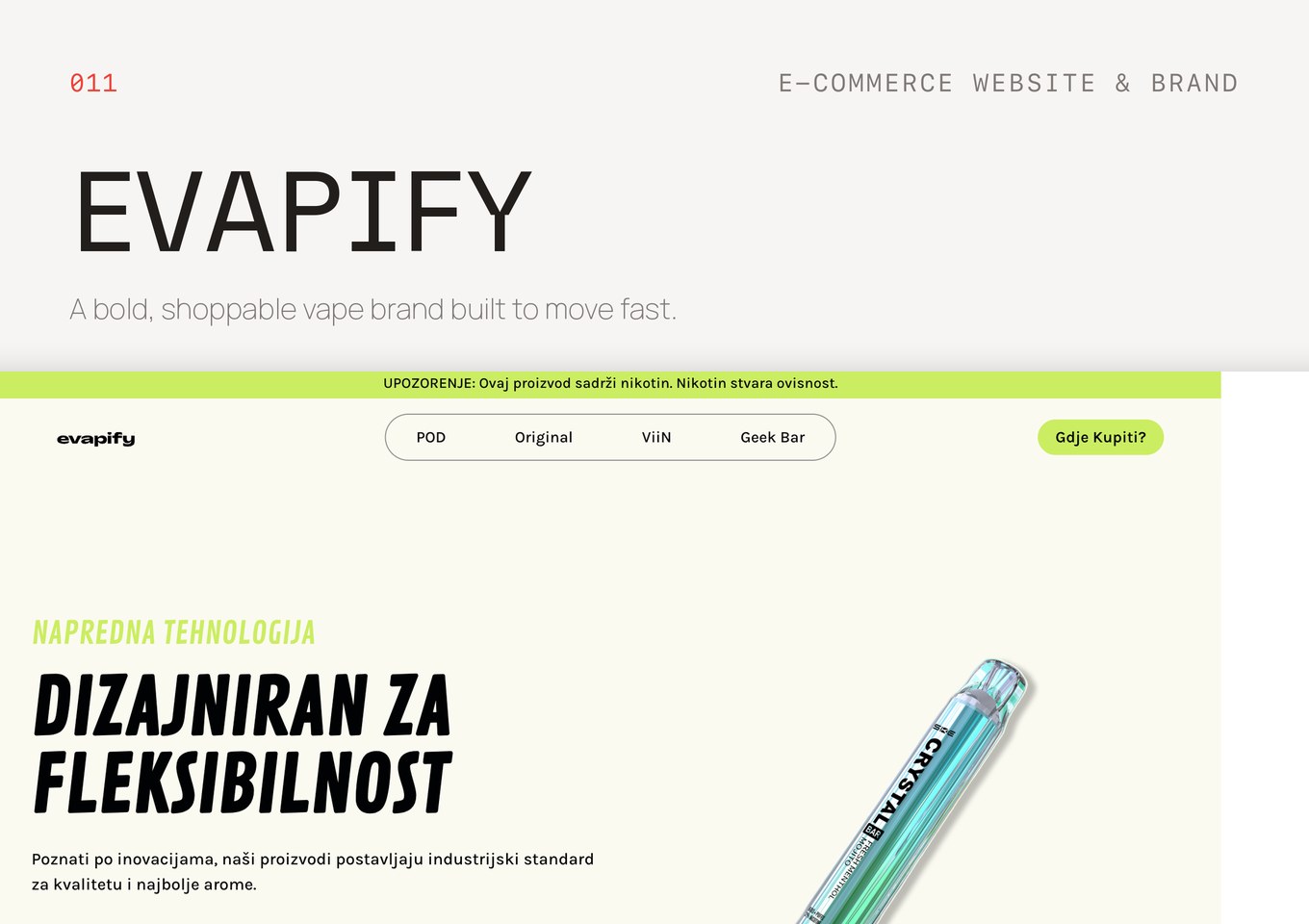
Konzept’s public records include Infonet, Evapify, Central Heritage Hotel and the 7D Group website. The full work portfolio lists the rest. Read them as project records, not as a promise that your result will match.
Be careful with numbers in any portfolio, including this one. A metric without a date, a baseline and a named source is a claim, not evidence. Ask what the number was before, when it was measured, and what else changed in that period.
What are the warning signs?
One sign settles the matter quickly. Google’s own guidance on hiring an SEO states that no one can guarantee a number-one ranking on Google, and it advises you to reject any firm that claims a special relationship with Google or priority submission. See Do you need an SEO? Tips for hiring an SEO from Google Search Central.
Four more signs are worth the same weight:
- A refusal to explain the method, or a claim that the technique is secret.
- An unsolicited pitch that arrives with a fixed price and no questions.
- A quote with no exclusions, no assumptions and no change process.
- A demand to hold the domain, hosting or repository in the agency’s own name with no written route back to you.
None of these is about price. Each one is about what happens when the project gets hard.
How do you read a quote?
Read the exclusions first, then the deliverables, then the number. A quote is a description of a project. Two quotes that differ by half usually describe two different projects.
Check whether the quote covers content production, data migration, integrations, QA, analytics setup, training, accessibility and post-launch support. Check who pays platform and licence fees. Check what the timeline assumes about your review speed.
Konzept publishes starting prices so this comparison can begin from a real number. Growth starts from EUR 14,500, Scale from EUR 29,500 and Enterprise from EUR 44,000. Monthly plans run from EUR 1,200. The pricing page carries the current scope for each, and the website cost guide explains what moves a project between tiers.
What must the contract settle?
Settle ownership before work starts, not at handover. Name who owns the code, the design files and the intellectual property once the invoices are paid. Name who holds the domain, hosting, repository, CMS and analytics accounts. Name the third-party licences and who pays for them.
Then settle the process: how a change is requested and approved, what counts as acceptance, who signs it, what support covers, for how long, and at what response time. Ask for a handover that includes credentials, documentation, deployment steps and backup and recovery notes.
A public Terms of Use page is not a project agreement. It describes a website, not your engagement. Ask for the clauses that apply to your project.
Should you hire an agency at all?
Sometimes not. If the work is continuous and central to the business, an internal team may fit better. Web agency vs in-house team sets out that comparison, including the costs a salary comparison misses.
If you are comparing partners across borders, price and overlap both matter. Nearshore agency pricing in Europe covers what moves a European price, and nearshore web development Bosnia covers the delivery model. For the local market view, read web design agency Bosnia.
What is the next step?
Finish the brief first. Then send it to a shortlist of three, and give each the same deadline and the same access to your questions. Compare the replies against the seven questions above.
When you are ready, request a quote or book a call with the person who approves the budget. A good first conversation should end with an agreed scope, an agreed exclusions list and a date, whoever you choose.