Free Website Audit: Discover what's holding your digital presence back
How do answer engines retrieve information?
Answer systems need access to public content before they can use it. The AEO audit for Konzept reviewed guidance from Google, OpenAI, Bing, Perplexity and Anthropic. The common practical point is simple: keep important information in crawlable HTML, make the page useful, and make claims easy to understand and verify. Google says AI-feature eligibility follows normal Search eligibility and requires crawl access. Google’s AI features guidance is the primary reference.
That means AEO does not replace technical SEO. A blocked page, broken canonical, missing internal link or accidental noindex can prevent discovery before wording matters. Start with the basics: a status code that works, a canonical URL, a useful title, a clear heading structure, an available sitemap and links that a crawler can follow.
The next layer is interpretation. A page should answer one main question, define its terms, show who wrote or reviewed it, state when it was updated and distinguish evidence from opinion. A system can then connect the page to a topic, organisation, service or project with less ambiguity.
What entity proof does AEO need?
An entity is the thing a page describes: a company, person, service, project, product or concept. Entity proof is the set of consistent facts that helps a reader and a retrieval system understand that thing. For a company, this can include its name, location, contact details, service list, team context, authorship and links between About, service, work and contact pages.
Consistency matters. If a site publishes several phone numbers, names or locations without explanation, a reader cannot tell which fact is current. The AEO audit found that the site needed clearer entity consistency and verified social or profile links. This is a reason to fix facts before adding more promotional copy. Do not fill missing facts with guesses.
For a service page, connect the service to its scope, audience, process, pricing source and relevant work. For a project page, use the real project slug and visible record. A project name is not proof of a specific result unless the page states the result and method. Clear links are stronger than a long list of unsupported claims.
Which content format helps answer questions?
Use a direct answer near the top, then explain the conditions and limits. Question headings can mirror real buyer language, but they are an editorial choice, not a documented ranking requirement. A comparison table can clarify exact differences when its rows are accurate. It should not compress away important caveats.
The AEO audit recommends answer-first passages, definitions, question headings, concrete dates and sources. It also says there is no official promise that a 40–60-word answer, a table or a question heading creates a citation advantage. These formats help scanning and extraction. They are not a substitute for first-hand value.
| Content element | What it should make clear | What it cannot promise |
|---|---|---|
| Direct answer | The short response to the page’s main question | A citation or featured placement |
| Definition | Meaning, scope and practical consequence of a term | That every reader uses the same wording |
| Source link | Where a factual or platform claim can be checked | That the source agrees with every conclusion |
| Author and date | Who reviewed the page and when it was updated | Authority for an unsupported claim |
| Comparison table | Material differences and trade-offs | A single best choice for every business |
| FAQ | Clear responses to distinct buyer questions | Eligibility for every rich-result feature |
Use Google’s helpful content guidance for the people-first standard: original material, clear sourcing, first-hand experience where relevant and understandable authorship. AEO is not a request to write for a machine at the expense of a buyer.
How should sources and authors be handled?
Link to the original documentation or data for claims that can change. The AEO audit cites Google’s AI features and AI optimization guidance, Google Search Essentials, publication-date and Article documentation, Bing Webmaster Guidelines, OpenAI crawler documentation, Perplexity crawler documentation and Anthropic retrieval documentation. Use the source that actually supports the sentence.
For platform claims, prefer the platform’s own documentation. Google states that there are no additional technical requirements or special AI schema for its AI features in its AI optimization guide. OpenAI explains that OAI-SearchBot is used to surface sites in ChatGPT search in its bot documentation. Perplexity documents PerplexityBot in its crawler guidance. These sources describe access and guidance. They do not promise a ranking position.
Show the author or reviewer and a meaningful updated date. Google’s publication-date guidance recommends consistent visible and metadata dates. Its Article structured data guidance supports author information. A name without a real role or review process is a weak signal. If the page is maintained by a team, say “Konzept team” and keep the date honest.
Does schema improve AEO?
Structured data can describe visible content in a machine-readable way. It cannot repair thin copy, a wrong entity or an inaccessible page. Google’s guidance says structured data must represent the visible page. Use standard types such as WebPage, Article, BreadcrumbList, Service or FAQPage only when the page and eligibility requirements support them.
Do not invent an “AI schema”. Do not add questions to JSON-LD that the visitor cannot see. Do not use schema to claim awards, reviews, results, prices or locations that are absent from the page. The site template should keep visible content and structured data aligned. This is safer for search engines, answer systems and human review.
The same principle applies to llms.txt. The proposal may be useful as a small index for some workflows, but it is not an official Google, OpenAI, Perplexity or Bing requirement, and it is not a ranking guarantee. A sound HTML page, sitemap, robots file and internal-link system come first.
How should AEO be measured?
Choose measurements that match the question. For search, track impressions, clicks, landing pages and conversions. For answer visibility, record buyer prompts, cited URLs, grounding queries and the date of each observation. Bing’s AI Performance documentation describes cited pages and grounding queries. It does not establish that one edit caused a citation change.
OpenAI says ChatGPT referrals include utm_source=chatgpt.com in its referral guidance. Keep that source visible in analytics. A referral shows traffic, not why a system selected a page. Compare pages over time and record major changes, but avoid turning a small observation into a universal result.
Build a simple measurement sheet with prompt, engine, date, cited page, answer summary, source links, page changes and next action. Ask the same buyer questions across multiple periods. Include negative findings. If a page is not cited, check crawlability, entity clarity, answer quality, source support and internal links before rewriting everything.
What can Konzept’s AEO work include?
The SEO and AEO performance service can cover technical search, structured content, schema and AI-answer visibility foundations. A useful engagement begins with an audit, not a promise. Review the organisation facts, priority questions, service pages, authorship, dates, internal links, sources, robots rules, sitemap and measurement.
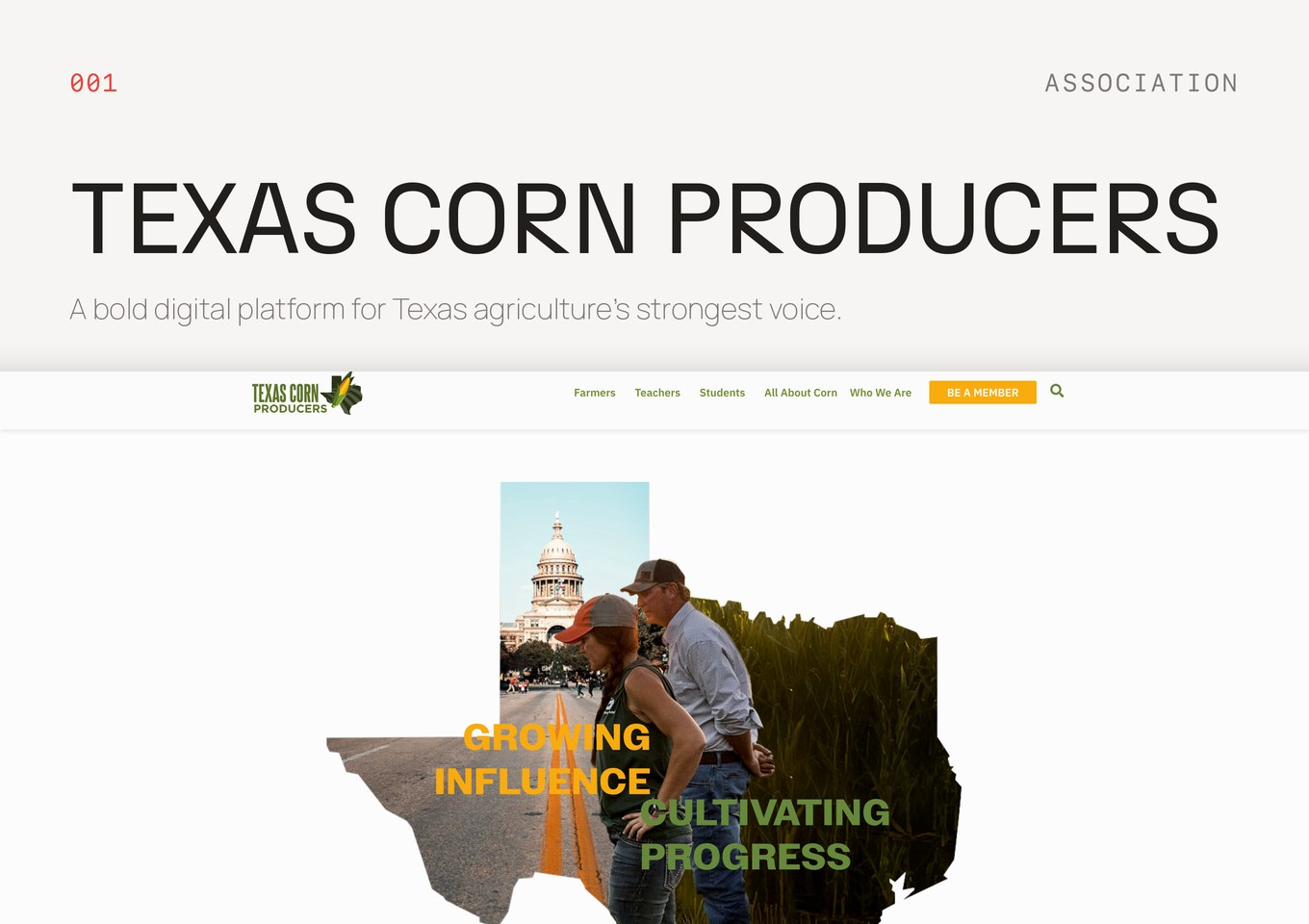
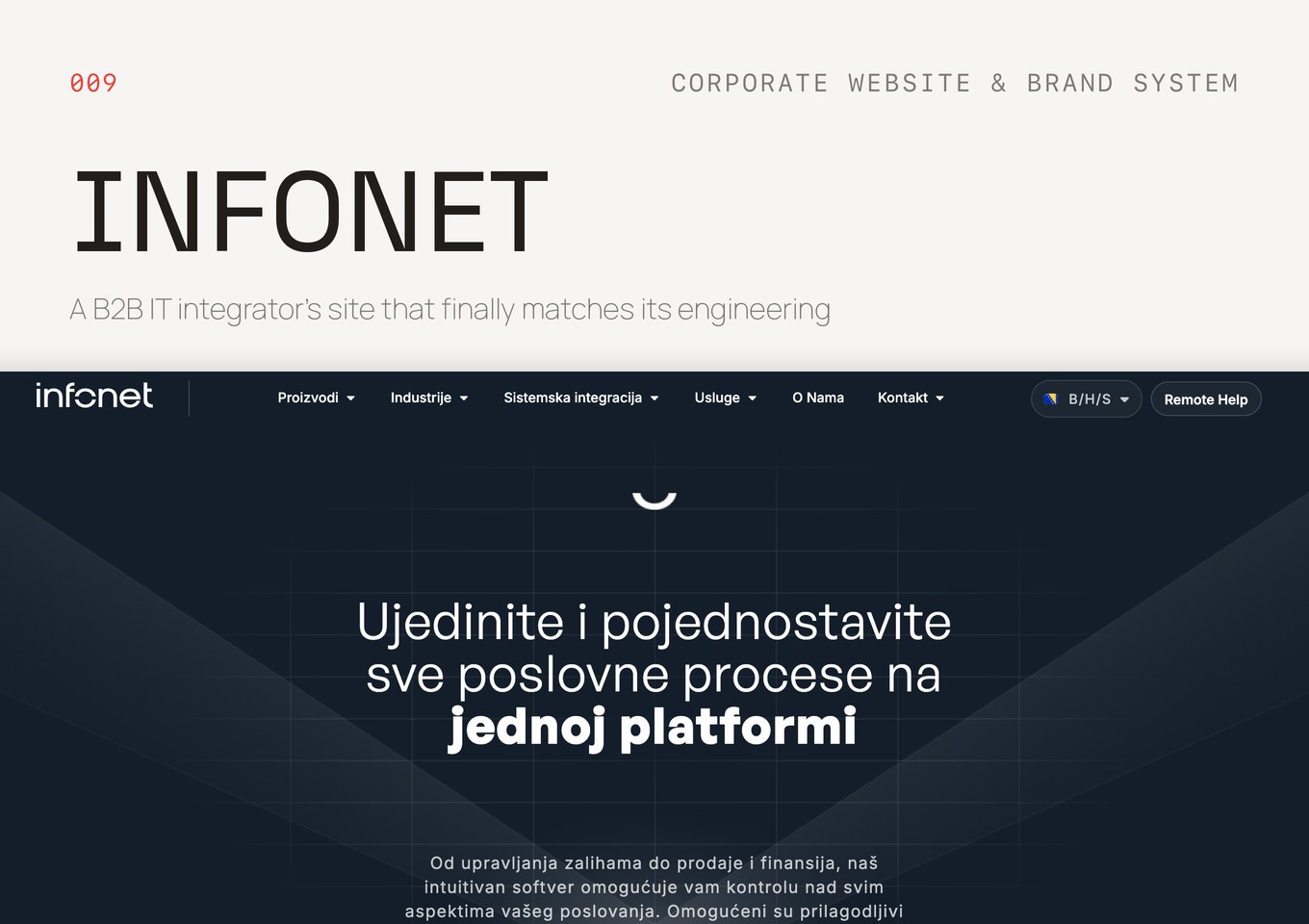
The public work portfolio includes project records such as Infonet and Texas Corn Producers. These are real slugs that help a buyer inspect available work. They do not prove an AEO result or guarantee that a future page will be cited. Use the records to discuss scope and content context.
If the site also needs custom workflows, AI automation may be relevant. If the main gap is a weak website foundation, start with web development. For a specific audit, book a call with the current site and the questions your buyers ask. The best next step is a measurable hypothesis: which answer, entity or technical issue should improve, and how will you observe it?
Which AEO claims should you avoid?
Avoid guaranteed citation, guaranteed rankings, guaranteed inclusion in ChatGPT or Google, and claims that one schema type will produce visibility. Avoid unsourced market statistics, invented case-study results and vague “AI optimized” labels with no described work. State what was checked, when it was checked and which source supports the claim.
The goal is useful, verifiable content. Normal SEO controls make pages available. Clear writing helps people scan. Entity facts reduce ambiguity. Sources support trust. Measurement keeps the team honest. Together, these practices make a page easier to retrieve and evaluate without pretending that any platform has promised a particular answer.